✓ Cybercrime costs are projected to reach $10.5 trillion annually by 2025.
✓ Over 60% of small businesses go out of business within six months of a cyberattack.
✓ Phishing and ransomware remain leading threat vectors for corporate breaches.
✓ A multi-layered approach to cybersecurity is essential for effective protection.
How It Works
1
Assessment & Strategy Development
Identify vulnerabilities, assess risks, and craft a tailored cybersecurity roadmap. This initial phase sets the foundation for your defense.
2
Implementation of Security Controls
Deploy various technologies like firewalls, intrusion detection, and endpoint protection. These tools create a robust defense perimeter.
3
Employee Training & Awareness
Educate staff on best practices, phishing recognition, and data handling protocols. Human error is often the weakest link in security.
4
Continuous Monitoring & Incident Response
Maintain vigilance through 24/7 monitoring and establish clear incident response plans. Rapid detection and remediation are crucial for minimizing damage.
Understanding the Evolving Landscape of Corporate Cybersecurity Threats
Photo: cottonbro studio / Pexels
In today's interconnected digital world, the threat landscape for businesses is more complex and dangerous than ever before. From sophisticated nation-state actors to opportunistic cybercriminals, organizations face a barrage of potential attacks daily. Understanding these evolving threats is the first critical step in building effective corporate cybersecurity solutions. Ransomware, for instance, has evolved from simple data encryption to double extortion, where attackers not only encrypt data but also exfiltrate it and threaten to publish it, increasing pressure on victims to pay. Phishing attacks are becoming increasingly sophisticated, often impersonating trusted contacts or services, making them harder for employees to detect. Supply chain attacks, as demonstrated by incidents like SolarWinds, target vulnerabilities within a company's vendors or partners, allowing attackers to infiltrate multiple organizations simultaneously. These attacks highlight the need for a holistic view of security that extends beyond an organization's immediate perimeter. Furthermore, the rise of IoT devices and remote work has expanded the attack surface significantly. Every connected device, from smart office equipment to employees' home networks, can potentially serve as an entry point for malicious actors. Businesses must contend with insider threats, both malicious and accidental, which can compromise sensitive data or systems. The sheer volume and variety of threats necessitate a proactive and adaptive approach to cybersecurity, moving beyond traditional perimeter defenses to a more dynamic, intelligence-driven strategy. This includes threat intelligence sharing, regular vulnerability assessments, and penetration testing to identify weaknesses before attackers do. Investing in robust corporate cybersecurity solutions is no longer optional; it's a fundamental requirement for business survival and growth in the digital age. Without a deep understanding of the current threat landscape, any security measures implemented risk being outdated or insufficient. Organizations must stay informed about new attack vectors, exploit techniques, and the motivations of cyber adversaries to effectively protect their valuable assets and maintain customer trust. Learn more about corporate risk management.
Key Pillars of Comprehensive Corporate Cybersecurity Solutions
Photo: cottonbro studio / Pexels
Effective corporate cybersecurity solutions are built upon several foundational pillars, each contributing to a robust defense posture. The first pillar is **Identity and Access Management (IAM)**. This involves verifying the identity of users and devices attempting to access corporate resources and ensuring they only have the minimum necessary privileges. Strong authentication methods, such as multi-factor authentication (MFA), are crucial here, preventing unauthorized access even if credentials are stolen. The second pillar is **Network Security**, which encompasses firewalls, intrusion detection/prevention systems (IDPS), and secure network configurations. These tools act as the first line of defense, monitoring and controlling incoming and outgoing network traffic to prevent malicious activity. Segmentation of networks can further limit the lateral movement of attackers if a breach occurs. **Endpoint Security** forms the third critical pillar, focusing on protecting individual devices like laptops, desktops, and mobile phones. Antivirus software, endpoint detection and response (EDR) solutions, and regular patching are vital to secure these often-vulnerable entry points. The fourth pillar is **Data Security and Privacy**, which includes encryption, data loss prevention (DLP) technologies, and strict data governance policies. Protecting sensitive information, whether at rest or in transit, is paramount to prevent data breaches and comply with regulations like GDPR or CCPA. Finally, **Security Operations and Incident Response** constitutes the fifth pillar. This involves 24/7 monitoring of systems for suspicious activity, a well-defined incident response plan, and regular security audits. A rapid and effective response to security incidents can significantly minimize damage and recovery time. Integrating these pillars creates a multi-layered defense, ensuring that even if one layer is bypassed, others are in place to detect and mitigate the threat. Each pillar requires continuous investment and adaptation to stay ahead of evolving threats, making cybersecurity an ongoing process rather than a one-time project. Organizations must also consider cloud security as a critical component, extending these pillars to their cloud environments and ensuring consistent security policies across hybrid infrastructures.
Implementing and Managing Advanced Corporate Cybersecurity Solutions
Photo: Sergei Starostin / Pexels
Implementing advanced corporate cybersecurity solutions requires more than just purchasing software; it demands a strategic, ongoing commitment to security. The process typically begins with a thorough **risk assessment and gap analysis**. This involves identifying critical assets, understanding potential threats, and evaluating current security controls against industry best practices and regulatory requirements. Based on this assessment, a comprehensive security strategy is developed, outlining the technologies, processes, and policies needed. When deploying new solutions, organizations should prioritize integration. Disparate security tools can create blind spots and management complexities. Solutions that offer unified visibility, automation, and orchestration capabilities are often more effective. This includes Security Information and Event Management (SIEM) systems, which aggregate and analyze security logs from various sources, and Security Orchestration, Automation, and Response (SOAR) platforms, which streamline incident response workflows. Continuous monitoring is another non-negotiable aspect. Threat actors are constantly innovating, so security posture must be continuously evaluated and improved. This involves regular vulnerability scanning, penetration testing, and red team exercises to simulate real-world attacks. **Employee training and awareness programs** are also crucial, as human error remains a leading cause of security breaches. Training should be ongoing, engaging, and cover topics like phishing, social engineering, password hygiene, and data handling. Furthermore, establishing a robust **incident response plan** is vital. This plan should detail the steps to be taken before, during, and after a security incident, including communication protocols, forensic analysis procedures, and recovery strategies. Regular drills and simulations of this plan ensure that the team is prepared to act effectively under pressure. Finally, compliance with industry standards and regulations (e.g., NIST, ISO 27001, HIPAA, PCI DSS) is a critical consideration for many businesses. Incorporating these frameworks into your cybersecurity strategy not only helps avoid penalties but also establishes a baseline for robust security practices. Effective management of these solutions requires dedicated resources, whether through an in-house security team or by partnering with managed security service providers (MSSPs). Discover more about managed IT security.
Common Mistakes and Best Practices for Corporate Cybersecurity
Photo: cottonbro studio / Pexels
Navigating the complexities of corporate cybersecurity can be challenging, and unfortunately, many organizations fall victim to common mistakes that leave them vulnerable. Avoiding these pitfalls and adopting best practices is crucial for a strong defense.
**Common Mistakes to Avoid:**
* **Neglecting Employee Training:** Assuming employees inherently understand cybersecurity risks is a critical error. Lack of awareness is a primary cause of successful phishing and social engineering attacks.
* **Over-reliance on Perimeter Security:** Firewalls alone are insufficient. Modern threats often bypass traditional perimeters, making internal network segmentation and endpoint protection equally vital.
* **Ignoring Patch Management:** Failing to regularly update software and operating systems leaves known vulnerabilities unaddressed, creating easy entry points for attackers.
* **Lack of Incident Response Planning:** Without a clear plan, organizations often panic during a breach, leading to slower detection, greater damage, and increased recovery costs.
* **Insufficient Data Backups:** Not having robust, tested, and isolated data backups can be catastrophic, especially in the face of ransomware attacks.
* **Poor Password Hygiene:** Weak, reused, or easily guessable passwords are low-hanging fruit for cybercriminals.
**Best Practices for Robust Corporate Cybersecurity:**
* **Adopt a Zero-Trust Model:** Assume no user or device can be trusted by default, regardless of their location. Verify everything.
* **Implement Multi-Factor Authentication (MFA) Everywhere:** This adds a crucial layer of security, significantly reducing the risk of unauthorized access.
* **Regular Security Audits and Penetration Testing:** Continuously assess your defenses to identify and remediate weaknesses before attackers exploit them.
* **Segment Your Network:** Isolate critical systems and data to limit the spread of an attack if a breach occurs.
* **Educate and Train Employees Regularly:** Foster a security-aware culture through ongoing, engaging training sessions.
* **Develop and Practice an Incident Response Plan:** Ensure your team knows exactly what to do when an incident occurs to minimize impact.
* **Maintain Immutable Backups:** Store critical data backups in an unchangeable format, isolated from the network, to protect against ransomware.
* **Utilize Advanced Threat Detection:** Implement EDR, SIEM, and threat intelligence platforms for proactive monitoring and faster detection of anomalies.
* **Embrace Cloud Security Best Practices:** Secure cloud environments with the same rigor as on-premise infrastructure, leveraging cloud-native security tools.
By proactively addressing these common mistakes and diligently implementing best practices, businesses can significantly enhance their resilience against the ever-present threat of cyberattacks.
Comparison
Feature
Managed Security Service (MSSP)
In-house Security Team
Hybrid Approach
Cost Efficiency
High (predictable OPEX)
Variable (high CAPEX/OPEX)
Moderate (optimized)
Expertise Access
Broad, specialized, 24/7
Limited to team's skills
Blended specialized/internal
Scalability
Highly scalable
Challenging, slow
Good, adaptable
Focus on Core Business
✓
✗
✓
Control & Customization
Moderate
High
High
What Readers Say
★★★★★
"Our law firm faced increasing phishing attempts. Implementing these corporate cybersecurity solutions drastically reduced successful attacks and gave our partners peace of mind regarding client data. The tailored approach was exactly what we needed."
Sarah Chen · Austin, TX
★★★★★
"As a growing tech startup, we couldn't afford a full-time security team. The comprehensive corporate cybersecurity solutions provided were invaluable, offering enterprise-grade protection at a manageable cost. Their incident response planning is top-notch."
Mark Johnson · Chicago, IL
★★★★★
"After a minor ransomware scare, we invested in robust corporate cybersecurity solutions. Within months, our systems were more secure, employees were better trained, and our vulnerability scan scores improved by over 70%. It's a game-changer for our manufacturing operations."
Emily Rodriguez · Miami, FL
★★★★★
"The initial setup for our corporate cybersecurity solutions took a bit longer than expected, but the ongoing support and threat intelligence have been exceptional. Our data integrity has never been stronger, even with our remote workforce."
David Lee · Seattle, WA
★★★★★
"Managing patient data in healthcare demands the highest security. These corporate cybersecurity solutions have provided us with HIPAA-compliant protection and continuous monitoring, allowing us to focus on patient care without constant worry about breaches."
Jessica Brown · Denver, CO
Frequently Asked Questions
What are the most common cyber threats facing corporations today?
Corporations primarily face ransomware, phishing, business email compromise (BEC), supply chain attacks, and insider threats. These attacks often exploit human error, software vulnerabilities, or misconfigured systems to gain unauthorized access or disrupt operations, leading to significant financial and reputational damage.
Are corporate cybersecurity solutions only for large enterprises?
Absolutely not. While large enterprises have extensive resources, small and medium-sized businesses (SMBs) are often targeted because they are perceived as having weaker defenses. Robust corporate cybersecurity solutions are crucial for businesses of all sizes to protect assets, customer data, and ensure continuity.
How can my company implement effective corporate cybersecurity solutions?
Implementing effective solutions involves several steps: conducting a thorough risk assessment, establishing strong identity and access management, securing networks and endpoints, implementing data encryption, regular employee training, and developing a comprehensive incident response plan. Consider partnering with cybersecurity experts for guidance and implementation.
What is the typical cost associated with corporate cybersecurity solutions?
The cost varies significantly based on company size, industry, regulatory requirements, and the scope of solutions chosen. It can range from a few hundred dollars per month for basic managed services to hundreds of thousands or millions annually for complex, in-house enterprise solutions. The investment should be viewed as protection against potentially much larger breach costs.
How do corporate cybersecurity solutions compare to standard antivirus software?
Standard antivirus software is a single component of a much larger corporate cybersecurity solution. While essential for endpoint protection, corporate solutions encompass a multi-layered approach including firewalls, intrusion detection, IAM, DLP, SIEM, incident response, and more, providing a far more comprehensive defense against sophisticated threats.
Who within an organization is responsible for corporate cybersecurity solutions?
While the IT or dedicated cybersecurity team is responsible for implementation and daily management, cybersecurity is ultimately a shared responsibility. Leadership sets the tone and allocates resources, every employee plays a role in following security protocols, and the board oversees the overall risk management strategy. It's a collective effort.
How can corporate cybersecurity solutions protect against insider threats?
Insider threats, whether malicious or accidental, are mitigated through a combination of strict access controls (least privilege), user behavior analytics (UBA) to detect anomalous activity, data loss prevention (DLP) tools, and continuous employee training on secure data handling. Regular audits also help identify potential risks.
What are the future trends in corporate cybersecurity solutions?
Future trends include increased adoption of AI and machine learning for threat detection and response, a stronger focus on zero-trust architectures, advanced cloud security solutions, deeper integration of threat intelligence, and a growing emphasis on privacy-enhancing technologies. Automation will also play a larger role in security operations.
Don't let cyber threats compromise your business's future. Invest in robust corporate cybersecurity solutions today to protect your data, maintain trust, and ensure uninterrupted operations. Contact us for a personalized assessment and secure your digital landscape.

 Photo: cottonbro studio / Pexels
 Photo: cottonbro studio / Pexels
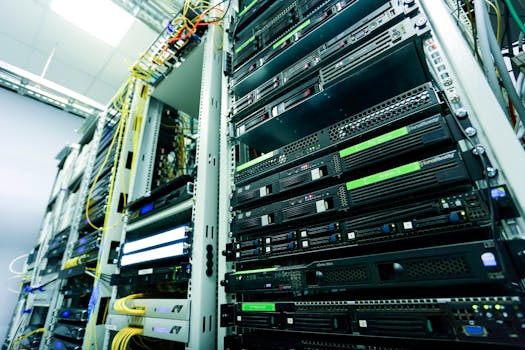 Photo: Sergei Starostin / Pexels
 Photo: cottonbro studio / Pexels