Boost Morale & Productivity: Corporate Team Building Activities Virtual
July 23, 2026 15 min read 2,990 words
Transform your remote workforce into a cohesive, high-performing unit with engaging virtual team building experiences.
Explore Virtual Solutions
The Imperative of Virtual Team Engagement in Modern Workplaces
 Photo: Gustavo Fring / Pexels
The landscape of corporate work has undergone a seismic shift, with remote and hybrid models becoming the norm for countless organizations across the US. While offering unparalleled flexibility and access to a global talent pool, this shift also presents unique challenges, particularly in maintaining team cohesion, fostering a strong company culture, and ensuring consistent employee engagement. This is where corporate team building activities virtual become not just beneficial, but absolutely imperative. They serve as the digital glue that binds dispersed teams, bridging geographical distances and fostering a sense of belonging that can easily erode in a purely virtual environment. Without intentional efforts to connect, team members can feel isolated, communication can become transactional, and the organic camaraderie that often develops in physical offices can be lost. Virtual team building activities are designed to counteract these challenges by creating structured, engaging opportunities for interaction beyond daily work tasks. They allow colleagues to see each other as more than just names on a screen, revealing personalities, shared interests, and collaborative strengths. This human connection is fundamental to building trust, which is the bedrock of any high-performing team. When trust is established, team members are more likely to communicate openly, support one another, and collaborate effectively on complex projects. Moreover, these activities play a crucial role in boosting morale. The routine of remote work, while efficient, can sometimes lack the spontaneous moments of joy and connection found in an office. A well-designed virtual team building event can inject much-needed fun and excitement, providing a mental break from work and a chance to de-stress. This uplift in morale directly translates to increased productivity and reduced burnout. Employees who feel valued, connected, and happy are more likely to be motivated and committed to their roles and the organization's success. Furthermore, virtual team building is a powerful tool for reinforcing company values and culture. Through shared experiences and collaborative challenges, teams implicitly learn and practice values such as teamwork, innovation, problem-solving, and resilience. These activities can be tailored to reflect specific cultural tenets, ensuring that even in a distributed setting, everyone is aligned with the organization's mission and ethos. Investing in robust
corporate engagement strategies is no longer an option but a necessity for thriving in the modern era. It's about proactively shaping a positive and productive work environment, regardless of where employees are located. By prioritizing virtual team building, companies are not just organizing events; they are investing in their most valuable asset – their people – and laying the groundwork for sustained success in a dynamic global marketplace. The benefits extend far beyond the immediate fun, contributing to long-term employee retention, enhanced innovation, and a stronger, more resilient organizational fabric. The strategic implementation of these activities ensures that remote work doesn't mean remote connection, but rather, an opportunity to redefine and strengthen team bonds in innovative ways.
Unlocking Collaboration: Diverse Virtual Team Building Activity Categories
 Photo: Kampus Production / Pexels
The beauty of corporate team building activities virtual lies in their incredible diversity, catering to a wide range of team sizes, preferences, and objectives. Moving beyond simple video calls, these activities leverage technology to create immersive and interactive experiences that mimic, and sometimes even surpass, the engagement of in-person events. Understanding the different categories available is key to selecting the perfect fit for your team. One popular category is 'Interactive Games and Challenges.' These often involve competitive or collaborative elements designed to spark friendly rivalry and strategic thinking. Examples include virtual escape rooms, where teams work together to solve puzzles and 'escape' a digital scenario; online trivia nights, testing general knowledge and encouraging participation; and virtual scavenger hunts, which can be tailored to company culture or general themes. These games are excellent for improving problem-solving skills, fostering quick decision-making under pressure, and enhancing communication as team members strategize in real-time. Another significant category focuses on 'Creative and Skill-Based Workshops.' These activities aim to develop new skills or express creativity in a low-stakes environment. Think virtual cooking classes where teams follow a chef's instructions to prepare a meal simultaneously, online painting or drawing workshops, or even virtual mixology sessions. These workshops not only provide a fun break but also allow team members to discover hidden talents, learn something new together, and bond over shared experiences. They are particularly effective in fostering a sense of accomplishment and shared learning. 'Wellness and Mindfulness Activities' have also gained immense popularity, recognizing the importance of employee well-being in a remote setting. These can include guided virtual meditation sessions, online yoga or fitness classes, or even virtual desk stretches. The goal here is to reduce stress, promote mental clarity, and encourage healthy habits among employees. By investing in their well-being, companies demonstrate care for their employees, which in turn boosts morale and loyalty. Furthermore, 'Communication and Connection-Focused Activities' are crucial for teams that need to improve interpersonal dynamics. These might involve structured 'speed-networking' sessions where team members have short, rotating one-on-one chats, or 'storytelling circles' where individuals share personal anecdotes or professional experiences. Virtual 'show and tell' where employees share a meaningful object from their home office can also be incredibly effective at breaking down barriers and fostering deeper personal connections. These activities are designed to build empathy, improve active listening, and strengthen the informal bonds that often fuel spontaneous collaboration. Lastly, 'Strategic and Problem-Solving Simulations' offer a more intensive approach, often mimicking real-world business challenges. These could be virtual business simulations, crisis management scenarios, or complex strategic games that require teams to allocate resources, make decisions, and analyze outcomes. These are particularly valuable for leadership development, strategic planning, and enhancing critical thinking skills within a team context. By exploring these diverse categories, organizations can craft a comprehensive virtual team building strategy that addresses various needs, ensuring that every employee feels engaged, connected, and valued, regardless of their physical location. The key is to match the activity to the desired outcome, ensuring that each event contributes meaningfully to a stronger, more cohesive team.
Crafting Impactful Virtual Team Building Experiences: Best Practices and Tools
 Photo: Viridiana Rivera / Pexels
Executing successful corporate team building activities virtual requires more than just picking a fun game; it demands thoughtful planning, strategic execution, and the right technological infrastructure. Adhering to best practices ensures that your efforts yield tangible benefits, transforming a simple online gathering into a powerful team-building experience. Firstly, 'Define Clear Objectives.' Before selecting any activity, ask yourself: What do we hope to achieve? Is it improved communication, enhanced problem-solving, stress reduction, or simply boosting morale? Clearly defined objectives will guide your choice of activity and help measure its success. For instance, if the goal is to improve cross-departmental communication, a collaborative puzzle-solving game or a structured virtual coffee break might be more effective than a competitive trivia night. Secondly, 'Consider Your Audience.' A diverse workforce means diverse preferences. Take into account age demographics, cultural backgrounds, and even personality types. Some teams thrive on high-energy competitive games, while others prefer more relaxed, creative, or reflective activities. Conducting a pre-activity survey can provide valuable insights into what your team would genuinely enjoy and benefit from. This ensures higher participation rates and more authentic engagement. Thirdly, 'Keep it Concise and Engaging.' Virtual fatigue is real. Unlike in-person events, attention spans can be shorter online. Aim for activities that are typically 60-90 minutes long, with a clear beginning, middle, and end. Break up longer sessions with short breaks or interactive elements. A dynamic facilitator who can keep the energy high and encourage participation is also crucial. Fourthly, 'Leverage the Right Technology.' The success of virtual team building hinges on reliable and user-friendly platforms. Video conferencing tools like Zoom, Microsoft Teams, or Google Meet are standard, but consider platforms specifically designed for virtual events that offer breakout rooms, interactive whiteboards, polling features, and integrated games. Tools like Mural or Miro can facilitate collaborative brainstorming, while specialized virtual event platforms offer more immersive experiences like 3D environments. Ensure all team members have access to the necessary software and a stable internet connection, and provide technical support if needed. Fifthly, 'Prioritize Inclusivity.' Design activities that allow everyone to participate comfortably, regardless of their technical proficiency, physical abilities, or comfort level with public speaking. Provide options for participation, such as using chat functions for those who prefer not to speak aloud, or offering roles that cater to different strengths within the team. For example, in a virtual escape room, some might be puzzle solvers, others researchers, and some communicators. Lastly, 'Follow Up and Gather Feedback.' The learning doesn't end when the activity does. Send out a brief survey to collect feedback on what participants enjoyed, what they found challenging, and what could be improved. Use this feedback to refine future events and demonstrate that their input is valued. A follow-up email summarizing key takeaways or sharing photos/screenshots from the event can also reinforce the positive experience. By meticulously planning and executing your virtual team building initiatives with these best practices in mind, you can create truly impactful and memorable experiences that strengthen team bonds and contribute to a thriving
corporate culture in the virtual realm.
Common Pitfalls to Avoid and Tips for Sustained Virtual Connection
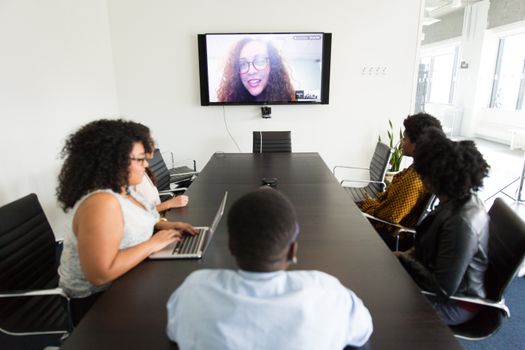 Photo: Christina Morillo / Pexels
While the benefits of corporate team building activities virtual are undeniable, there are several common pitfalls that organizations often encounter, which can dilute their effectiveness. Being aware of these traps and proactively avoiding them is crucial for maximizing your investment and ensuring sustained team connection. One major pitfall is 'Lack of Clear Purpose.' Without a defined objective, an activity can feel like a forced, time-consuming obligation rather than a valuable engagement opportunity. Teams quickly discern when an event lacks genuine intent, leading to disengagement and cynicism. Always communicate the 'why' behind the activity to your team. Another mistake is 'One-Size-Fits-All Approach.' What works for a small, close-knit marketing team might not resonate with a large, diverse engineering department. Imposing the same activity on all teams without considering their unique dynamics, preferences, and goals is a recipe for low participation and lukewarm reception. Tailor activities or offer choices where possible. 'Technical Glitches and Poor Facilitation' can quickly derail an event. Unstable internet connections, unfamiliar software, or a facilitator who struggles to manage the virtual environment can lead to frustration and a wasted opportunity. Always conduct technical dry runs, provide clear instructions, and ensure your facilitator is experienced in leading virtual groups, capable of managing breakout rooms, encouraging participation, and troubleshooting minor issues on the fly. 'Over-scheduling and Virtual Fatigue' is also a significant concern. While regular connection is important, bombarding employees with too many virtual events can lead to burnout. Balance structured team building with organic opportunities for connection, and respect employees' time by keeping activities concise and purposeful. Don't forget that employees still have their primary job responsibilities. Finally, 'Ignoring Feedback' is a critical error. If you don't solicit and act upon feedback, you risk repeating mistakes and alienating your team. Post-activity surveys are invaluable for continuous improvement.
**Tips for Sustained Virtual Connection:**
* **Regular, Informal Check-ins:** Beyond structured activities, encourage managers to schedule brief, informal video check-ins that aren't purely work-focused. A quick five-minute chat about weekend plans can do wonders for morale.
* **Virtual Coffee Breaks/Lunches:** Create optional virtual spaces where team members can drop in for casual conversation, mimicking the water cooler effect.
* **Dedicated Communication Channels:** Utilize platforms like Slack or Microsoft Teams for non-work-related chat channels (e.g., #pets, #hobbies, #recipes) to foster organic social interaction.
* **Celebrate Milestones:** Make a conscious effort to celebrate birthdays, work anniversaries, and team successes virtually. Acknowledge individual and collective achievements to reinforce a positive culture.
* **Manager Training:** Equip managers with the skills to lead and motivate remote teams, including best practices for virtual communication and fostering psychological safety.
* **Hybrid Integration:** If you have a hybrid model, ensure virtual participants are fully integrated into meetings and activities, not just passive observers. Use technology to level the playing field.
* **Lead by Example:** Senior leadership should actively participate in virtual team building and demonstrate the value they place on connection and culture. Their involvement sets the tone for the entire organization.