Manual Car Rental Germany Selection: Your Corporate Travel Guide
June 24, 2026 16 min read 3,176 words
Navigate the complexities of renting a manual transmission car in Germany for seamless corporate travel.
Plan Your Trip Now
Why Manual Car Rental Germany Selection is Key for Corporate Travelers
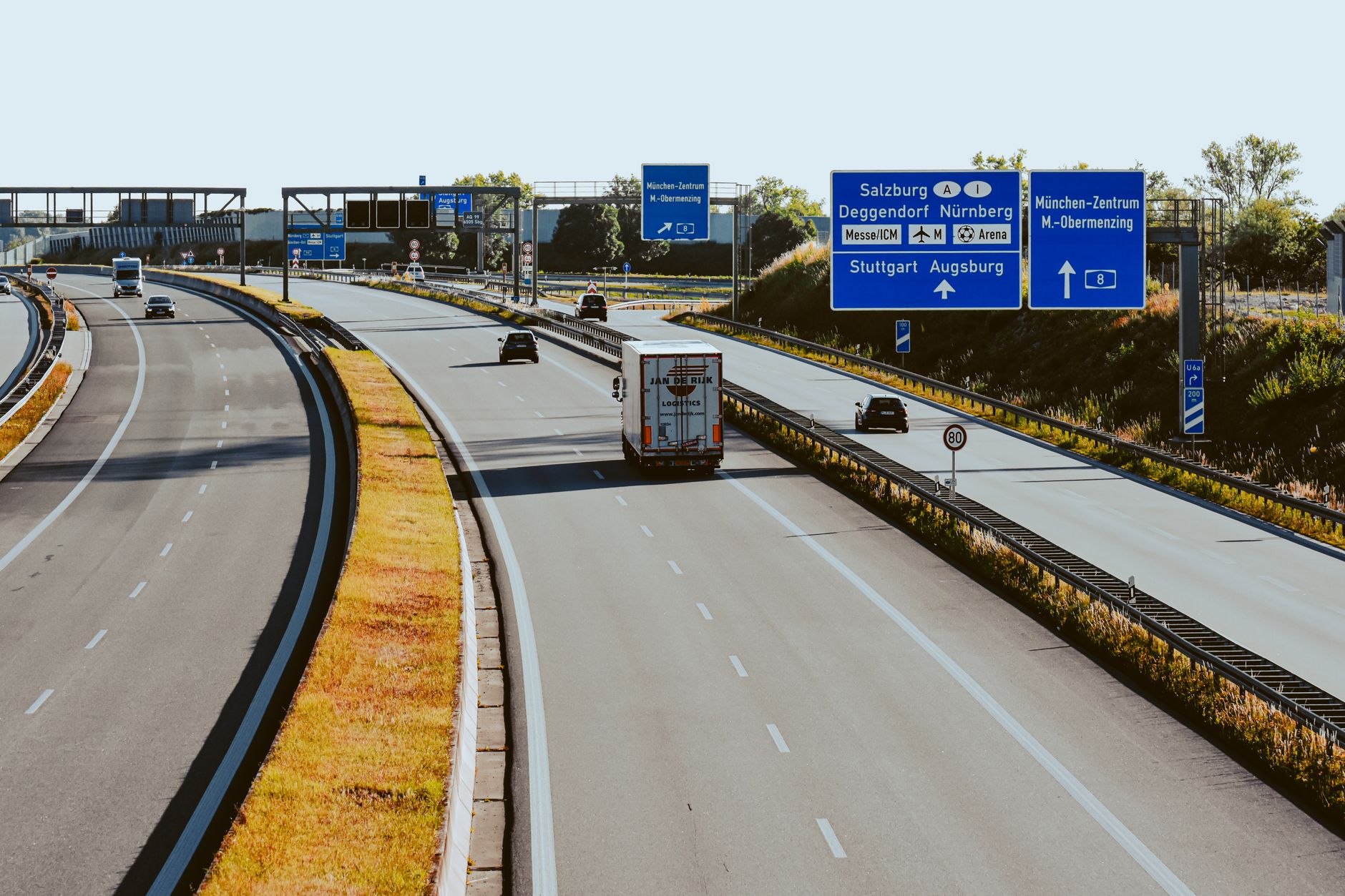
 Photo: Pixabay / Pexels
For the discerning corporate traveler heading to Germany, the choice of vehicle can significantly impact the efficiency and overall experience of a business trip. While automatic transmissions have become the default in the United States, the European landscape, particularly Germany, still predominantly favors manual transmission vehicles. This fundamental difference makes your Manual Car Rental Germany Selection a critical decision, not just a preference. Understanding this cultural and practical distinction is the first step towards a seamless and productive journey.
Opting for a manual transmission car in Germany often translates to several tangible benefits for corporate clients. Firstly, availability: rental fleets across Germany are heavily weighted towards manual cars. This means a wider selection of vehicles across various classes, from compact models perfect for city navigation to executive sedans ideal for intercity travel and client meetings. If you arrive expecting to easily secure an automatic, you might find yourself limited to higher-priced premium options, or worse, no suitable vehicle at all, leading to unforeseen delays and budget overruns. By embracing the manual option, you open up a much broader spectrum of choices, enhancing your chances of securing the exact vehicle type that aligns with your corporate needs and budget.
Secondly, cost-efficiency. Due to their prevalence, manual cars are generally more affordable to rent than their automatic counterparts. For businesses managing travel expenses, this can represent a significant saving, especially for extended stays or multiple team members. These savings can then be reallocated to other critical aspects of the business trip, such as enhanced accommodation or client entertainment. Furthermore, manual cars are often more fuel-efficient, offering additional operational savings over the course of your rental period, a particularly important consideration with fluctuating fuel prices.
Beyond the practicalities of availability and cost, there's the driving experience itself. Germany's renowned Autobahn, its scenic rural roads, and its efficient infrastructure are often best enjoyed with the precise control a manual gearbox offers. For those accustomed to driving a stick shift, the engaging nature of a manual car can transform long drives between business appointments into a more enjoyable and less fatiguing experience. This enhanced control can be particularly valuable when navigating varying terrains or responding to dynamic traffic conditions. It allows for a more connected feel with the vehicle, which can be a subtle but important factor in maintaining focus and alertness during demanding business travel.
Finally, for corporate entities, demonstrating adaptability and a nuanced understanding of local customs can be a valuable asset. Choosing a manual car, a common local practice, subtly signals an appreciation for the local culture and an openness to integrate, which can be beneficial in client interactions. It avoids the impression of expecting American norms to be universally applied and instead shows a willingness to engage with the local way of doing things. This seemingly small detail contributes to a larger narrative of being a thoughtful and prepared business partner. For further insights into optimizing corporate travel, explore our resources on
international business travel best practices.
In essence, making a deliberate Manual Car Rental Germany Selection is not merely about driving a different kind of car; it’s about making a strategic decision that impacts logistics, budget, and overall corporate image. It's an essential element of meticulous planning for successful business operations in Germany.
Navigating Rental Agencies and Booking Your Manual Transmission
Once you've decided that a manual transmission is the way to go for your corporate trip to Germany, the next crucial step is effectively navigating the rental agency landscape and securing your preferred vehicle. This process requires diligence and attention to detail, as simply checking a box for 'manual' might not always guarantee the specific model or class you anticipate. Understanding the nuances of booking with major international chains versus local German providers, and knowing what questions to ask, will significantly smooth your rental experience.
Major international rental companies like Hertz, Avis, Europcar, and Sixt operate extensively throughout Germany. While they offer the convenience of global booking platforms and often have English-speaking staff, their specific allocation of manual versus automatic vehicles can vary by location and fleet. When booking online, always look for explicit confirmation of a manual transmission. Some online portals might only show 'or similar' and default to automatic if not specified. It's often advisable to follow up a web booking with a direct phone call to the rental location in Germany, confirming your manual preference and asking about specific models available in your chosen class. This proactive approach minimizes surprises upon arrival.
Local German rental agencies can also be an excellent option, particularly if you're looking for more specialized vehicles or potentially more competitive rates in smaller cities. Companies like Buchbinder or some smaller regional providers might offer a more personal touch and a deeper understanding of local road conditions and vehicle requirements. However, their online booking systems might be less robust, and communication might primarily be in German, which could be a consideration if language is a barrier for your corporate travel team. If opting for a local agency, ensure they have English-speaking support or have a German-speaking colleague assist with the booking and confirmation process.
When making your reservation, be specific about the vehicle class and, if possible, mention your preference for a particular German make (e.g., BMW, Mercedes-Benz, Audi, Volkswagen) if that aligns with your corporate image or driving preferences. While specific models cannot always be guaranteed, expressing a preference can sometimes influence the allocation. It is also vital to understand the rental terms regarding vehicle categories. A 'compact' manual might be a Volkswagen Golf, while an 'intermediate' could be a BMW 3-series manual – the driving experience and space will differ significantly. Always clarify what vehicle types fall into the class you are booking.
Insurance is another critical aspect. Your corporate travel policy might include car rental insurance, or your credit card may offer coverage. However, it's essential to understand what these policies cover in Germany, especially regarding liability, theft, and damage waivers (CDW/LDW). German rental agencies will almost always offer their own insurance packages, and while they can seem costly, they often provide peace of mind and minimize your financial exposure in case of an incident. Carefully review your existing coverage and compare it with the rental company's offerings to make an informed decision. Don't be pressured into buying unnecessary insurance, but ensure you are adequately covered according to German law and your company's risk management policies.
Finally, always print out your booking confirmation and any correspondence related to your manual transmission request. Having physical documentation can be invaluable if there's any discrepancy at the pickup counter. Double-checking your booking details—dates, times, pickup/drop-off locations, and especially the explicit mention of a manual transmission—before you travel will save valuable time and prevent potential frustrations upon your arrival in Germany. A well-prepared approach to booking ensures your Manual Car Rental Germany Selection is met with success and efficiency.
For more options, check out Rental Car Germany.
On the Road: Driving a Manual in Germany and Local Regulations
Successfully navigating your Manual Car Rental Germany Selection extends beyond the booking process; it encompasses the actual driving experience and adherence to local regulations. Germany's roads, particularly the Autobahn, offer a unique driving environment that rewards attentiveness and respect for local rules. For corporate travelers, understanding these nuances is paramount to ensuring safety, avoiding fines, and maintaining a professional demeanor while on the move.
Firstly, familiarize yourself with German road signs. While many are internationally recognizable, some have specific meanings or are unique to Germany. Speed limits are strictly enforced, especially in urban areas and construction zones. While sections of the Autobahn have no official speed limit, advisory speeds (Richtgeschwindigkeit) of 130 km/h (approx. 80 mph) are common, and exceeding them can lead to liability issues in case of an accident. Always remember that the left-most lane on the Autobahn is strictly for passing; hogging it is illegal and will incur the ire of other drivers. Overtake on the left only, and move back to the right lane as soon as it is safe to do so. This disciplined approach to lane usage is a cornerstone of German driving culture.
Driving a manual car in this environment means you'll be actively shifting gears to match speed and traffic conditions. This can be exhilarating on open stretches but requires concentration in heavy traffic or when navigating complex urban intersections. If you're not fully confident with a manual transmission, practicing in a less stressful environment before your trip, or opting for a longer rental period to get accustomed, might be beneficial. Remember to downshift to use engine braking, especially on downhill sections, and to prepare for exits. German drivers are generally very skilled and expect others to be equally proficient, so anticipate quick reactions and decisive maneuvers.
Regarding documentation, always carry your valid US driver's license, your passport, and your rental agreement. While an International Driving Permit (IDP) is not always legally required for US citizens staying less than six months, it is highly recommended. The IDP translates your US license into multiple languages, making it easier for local authorities to understand if you are stopped or involved in an incident. Your rental company might also request it. Ensure your rental agreement includes details of your insurance coverage.
Parking in German cities can be challenging. Look for designated parking garages (Parkhaus) or marked street parking spaces. Pay attention to parking signs, which often indicate time limits, payment requirements, and permitted days/hours. Many cities use electronic payment systems or require a parking disc (Parkscheibe) for free timed parking. Fines for parking violations can be substantial. For corporate events or meetings, inquire about available parking in advance to avoid last-minute stress.
Lastly, be aware of environmental zones (Umweltzonen) in many German cities. These zones require vehicles to display a specific emissions sticker (Umweltplakette) to enter. Your rental car should already have the appropriate sticker, but it's worth confirming with the rental agency, especially if you plan to drive into major city centers. Driving without the correct sticker in an environmental zone can result in a fine. For more detailed information on navigating European driving, consider our guide on
corporate travel logistics in Europe. By understanding and adhering to these regulations and driving practices, your Manual Car Rental Germany Selection will prove to be a highly effective and stress-free component of your corporate mission.
Essential Tips and Common Mistakes to Avoid for Manual Car Rental Germany Selection
To ensure your corporate trip to Germany is as smooth as possible, mastering your Manual Car Rental Germany Selection involves not just understanding the benefits and booking process, but also being aware of crucial tips and common pitfalls. Avoiding these mistakes can save time, money, and unnecessary stress, allowing you to focus on your business objectives.
**Essential Tips:**
* **Book Well in Advance:** Especially for specific manual models or during peak travel seasons, securing your car early ensures wider availability and often better rates. Last-minute bookings can severely limit your manual options.
* **Explicitly Request Manual:** Do not assume. Double-check your booking confirmation to ensure 'manual transmission' is clearly stated. Follow up with the rental branch directly if there's any ambiguity.
* **Know Your Left Foot:** If you're not a regular manual driver, practice before you go. Germany's traffic and high-speed roads are not the place to re-learn stick shift. Be comfortable with clutch control and gear changes.
* **Understand Insurance Coverage:** Review your personal and corporate insurance policies as well as your credit card benefits. Know exactly what's covered for rental cars in Germany and what deductibles apply. Consider supplemental insurance from the rental agency for full peace of mind.
* **Inspect the Vehicle Thoroughly:** Before driving off, walk around the car with a rental agent. Document any existing scratches, dents, or damage with photos or video. This prevents you from being charged for pre-existing damage upon return.
* **Familiarize Yourself with the Car:** Take a few minutes in the parking lot to get comfortable with the controls – lights, wipers, navigation system, and especially the clutch engagement point.
* **Carry an IDP:** While not always legally required for short stays, an International Driving Permit (IDP) translates your US license and is highly recommended for smooth interactions with rental agencies and authorities.
* **Have Local Currency/Credit Card:** For tolls (though rare on Autobahn for cars), parking, or unexpected small purchases, having some Euros or a widely accepted credit card is wise.
**Common Mistakes to Avoid:**
* **Assuming Automatic Availability:** This is arguably the biggest mistake. Unlike the US, automatics are premium and less common. Expecting one without specific booking will lead to disappointment.
* **Ignoring Road Signs:** German road signage is efficient but can be dense. Pay close attention to speed limits, environmental zone warnings, and parking regulations.
* **Lane Hogging on the Autobahn:** The left lane is strictly for passing. Driving slowly in the left lane is considered rude and can be dangerous, potentially leading to fines.
* **Underestimating Fuel Costs:** Fuel in Germany is significantly more expensive than in the US. Factor this into your budget. Rental cars are usually delivered with a full tank and should be returned the same way to avoid inflated refueling charges.
* **Not Documenting Damage:** Failing to photograph existing damage at pickup can result in being held liable for damage you didn't cause.
* **Returning Late Without Notice:** Rental companies often charge significant late fees. If you anticipate a delay, inform the agency as soon as possible.
* **Not Knowing Emergency Procedures:** Familiarize yourself with where the hazard lights, first aid kit, and warning triangle are located. Know the local emergency number (112).
By heeding these tips and avoiding these common errors, your Manual Car Rental Germany Selection will be a strategic advantage, contributing positively to your corporate travel objectives.