Mastering Corporate Branding Strategies for Growth

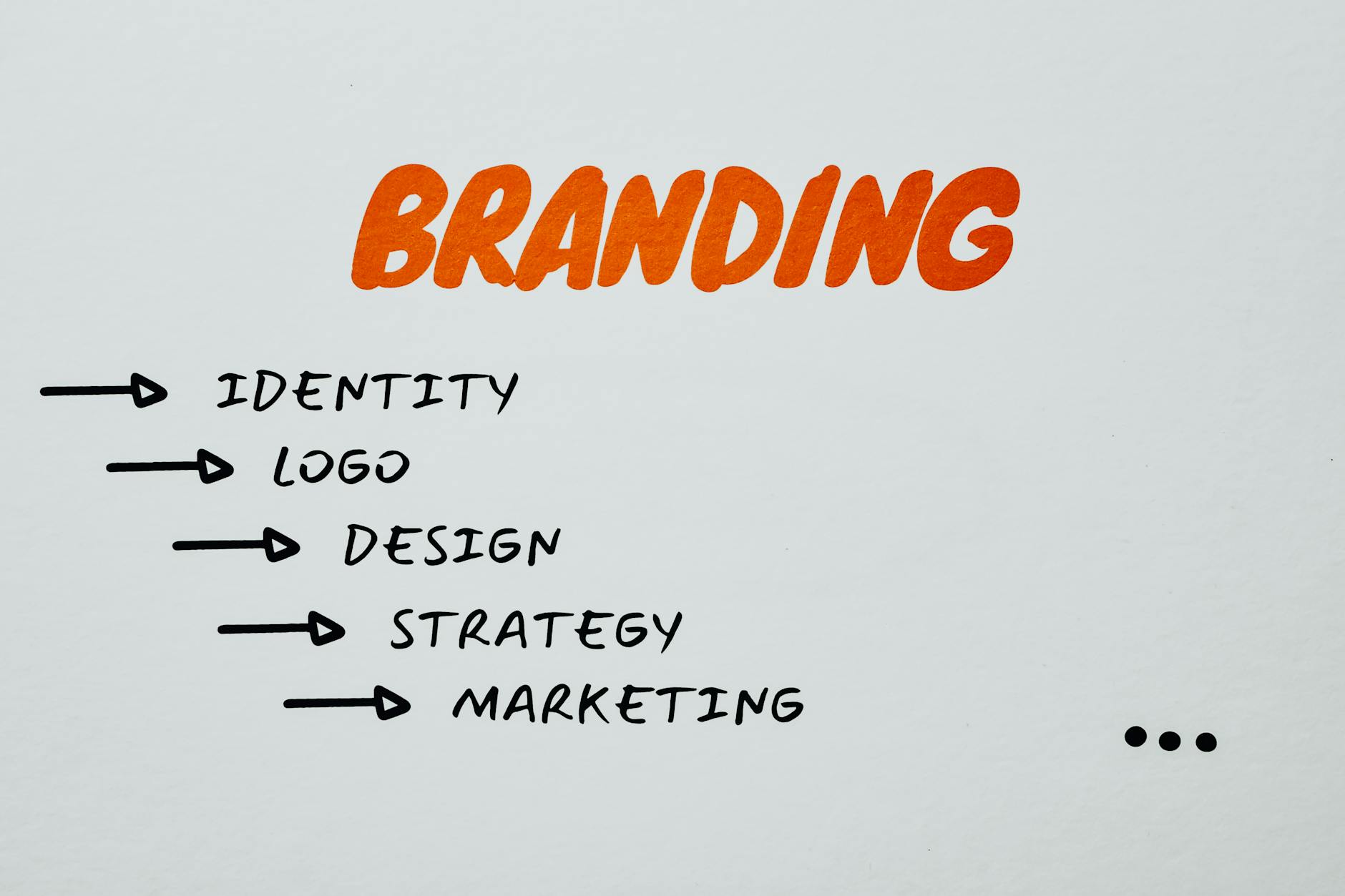
Visual representation of branding, identity, and marketing strategies.Photo: Eva Bronzini / Pexels

Mastering Corporate Branding Strategies for Growth

Craft a compelling brand narrative and visual identity that resonates with your audience and elevates your market position.

Discover Your Brand Power

Key Takeaways

  • ✓ Corporate branding is more than a logo; it's the sum of all perceptions.
  • ✓ A strong corporate brand can increase market value by up to 20%.
  • ✓ Consistency across all touchpoints is paramount for brand strength.
  • ✓ Employee advocacy is a powerful, often overlooked, branding asset.

How It Works

1
Define Your Core Identity

Articulate your company's vision, mission, values, and unique selling proposition. This foundational step ensures authenticity and strategic alignment.

2
Develop Visual & Verbal Assets

Create a distinctive logo, color palette, typography, and a consistent brand voice. These elements form the recognizable face and tone of your brand.

3
Implement Across All Touchpoints

Integrate your brand identity consistently across marketing, communications, product, and employee experiences. Every interaction reinforces your brand.

4
Monitor, Adapt, and Evolve

Regularly assess brand perception, market trends, and competitive landscape. Be prepared to refine and evolve your brand to maintain relevance and strength.

The Indispensable Role of Corporate Identity Development

Glass building facade with WILLA sign and birds under a blue sky, captured from below.Photo: Hert Niks / Pexels
In today's hyper-competitive marketplace, a company's identity is its most valuable asset, transcending mere products or services. Corporate branding strategies are not just about creating a memorable logo or a catchy slogan; they delve deep into the very essence of an organization, shaping its reputation, influencing stakeholder perceptions, and ultimately driving its long-term success. It's about crafting a holistic narrative that communicates who you are, what you stand for, and why you matter. This comprehensive approach to identity development ensures that every touchpoint—from customer service interactions to investor relations, from product design to advertising campaigns—speaks with a unified and authentic voice. Without a clear and compelling corporate identity, businesses risk becoming faceless entities, struggling to differentiate themselves in a crowded market. A well-defined corporate identity provides a strategic framework that guides all internal and external communications. It articulates the company's vision, mission, and core values, acting as a compass for decision-making and a filter for strategic initiatives. This clarity helps to attract and retain top talent, as employees are drawn to organizations with a strong sense of purpose and a defined culture. Moreover, it builds trust and loyalty among customers, who increasingly seek to align themselves with brands that share their values and demonstrate integrity. For investors, a robust corporate identity signals stability, good governance, and future growth potential, enhancing market valuation and attracting capital. The process of corporate identity development begins with deep introspection. It requires an honest assessment of the company's strengths, weaknesses, opportunities, and threats. What are your unique selling propositions? What problems do you solve for your customers? What is the legacy you wish to build? These fundamental questions lay the groundwork for defining a brand personality that is both authentic and aspirational. This foundational work informs the creation of visual elements like logos, color palettes, and typography, but it also extends to the development of a distinctive brand voice and messaging architecture. Every element must be meticulously designed to convey the desired identity and evoke specific emotional responses from target audiences. Furthermore, effective corporate identity development is an ongoing process, not a one-time project. It requires continuous monitoring, adaptation, and reinforcement to remain relevant and impactful in an ever-changing business landscape. Companies must regularly audit their brand performance, solicit feedback from stakeholders, and be prepared to evolve their identity in response to market shifts and societal trends. Neglecting this crucial aspect can lead to brand dilution, loss of relevance, and ultimately, a decline in market share. Investing in robust corporate identity development through well-executed corporate branding strategies is thus an investment in the future resilience and prosperity of the organization.

Crafting a Cohesive Brand Architecture and Messaging

Close-up of folded Sigma brochures showcasing product images and design, ideal for marketing.Photo: cami / Pexels
Once the core corporate identity is established, the next critical step in corporate branding strategies involves crafting a cohesive brand architecture and developing compelling messaging that resonates across all stakeholder groups. Brand architecture refers to the organizational structure of a company's brands, products, and services. It dictates how these different elements relate to each other and to the parent company brand. There are typically three main types of brand architecture: monolithic (or branded house), where the corporate brand is the primary driver and all products/services carry its name; endorsed, where sub-brands have their own identity but are clearly linked to the parent company; and pluralistic (or house of brands), where individual brands operate independently with little to no visible connection to the corporate entity. The choice of architecture depends on various factors, including the company's strategic objectives, market dynamics, target audiences, and the breadth of its product portfolio. A well-designed brand architecture simplifies decision-making, optimizes marketing spend, and minimizes brand confusion, allowing stakeholders to easily understand the relationships between different offerings. For example, a monolithic architecture fosters strong corporate brand equity across all offerings, while a house of brands allows for targeting diverse market segments without diluting the core corporate image. Simultaneously, developing consistent and impactful messaging is paramount. This involves defining the key messages that communicate the company's value proposition, purpose, and unique attributes to different audiences – customers, employees, investors, partners, and the public. Each message must be tailored to the specific audience's needs and interests while remaining true to the overarching corporate brand identity. Consistency in tone, language, and core themes across all communication channels is non-negotiable. Inconsistent messaging can lead to confusion, erode trust, and weaken brand perception. Effective messaging goes beyond simply stating facts; it tells a story, evokes emotion, and builds connections. It should clearly articulate the benefits and value that the company brings, rather than just listing features. For employees, messaging might focus on purpose, culture, and career growth, fostering a sense of belonging and engagement – a key component of employer branding. For investors, it would highlight financial performance, strategic vision, and market potential. For customers, it would emphasize solutions, quality, and customer experience. This careful calibration of messages ensures that every communication reinforces the desired brand image and strengthens the overall corporate reputation. Furthermore, in an increasingly digital world, the channels through which these messages are delivered are as important as the messages themselves. Companies must strategically leverage various platforms – websites, social media, press releases, internal communications, advertising, and public relations – to ensure broad and consistent reach. The goal is to create a seamless and integrated experience where every interaction reinforces the corporate brand, building a cohesive and powerful image in the minds of all stakeholders.

Leveraging Employer Branding and Reputation Management

Focus on employer branding with documents on a wooden desk, ideal for business concepts.Photo: Walls.io / Pexels
Beyond external perceptions, robust corporate branding strategies must extend internally, focusing significantly on employer branding and proactive reputation management. Employer branding, often an overlooked yet critical component, is about establishing and promoting a company as an employer of choice. It involves defining the unique value proposition that an organization offers to its current and prospective employees, encompassing its culture, values, work environment, growth opportunities, and compensation and benefits. A strong employer brand attracts top talent, reduces recruitment costs, and improves employee retention rates. In a competitive job market, candidates are not just looking for a job; they are seeking a meaningful experience, a place where they can grow, contribute, and feel valued. Companies with a compelling employer brand communicate this value proposition effectively through various channels, including career websites, social media, employee testimonials, and internal communications. They ensure that the employee experience aligns with the brand promise, fostering a positive and engaged workforce that becomes a powerful advocate for the brand. Engaged employees naturally become brand ambassadors, sharing positive experiences and contributing to a strong corporate image. This internal alignment is crucial because employees are often the first and most authentic touchpoint for external stakeholders, and their satisfaction directly impacts customer experience and overall brand perception. Simultaneously, effective corporate branding necessitates diligent reputation management. Corporate reputation is the collective perception of a company's past actions and future prospects that is held by all stakeholders. It is built over time through consistent performance, ethical conduct, social responsibility, and transparent communication. Proactive reputation management involves continuously monitoring public sentiment, identifying potential risks, and responding strategically to maintain and enhance trust. In the age of instant information and social media, a single negative incident or misstep can quickly escalate and severely damage a company's reputation. Therefore, companies must have robust crisis communication plans in place, allowing them to respond swiftly, transparently, and empathetically to any challenges. This includes acknowledging issues, taking responsibility, and outlining corrective actions. Beyond crisis response, reputation management also involves actively shaping public perception through positive storytelling, highlighting corporate social responsibility initiatives, showcasing innovation, and engaging in thought leadership. Building and maintaining a positive corporate reputation is not just about avoiding negatives; it's about actively cultivating an image of reliability, integrity, and positive societal impact. Strong corporate branding strategies integrate employer branding and reputation management as two sides of the same coin, recognizing that a company's internal health and external perception are inextricably linked. By investing in both, organizations can build a resilient brand that withstands challenges, attracts the best talent, and enjoys sustained success in the marketplace. For more insights on building a strong internal culture, consider resources on organizational development.

Common Pitfalls and Best Practices in Corporate Branding

Visual representation of branding, identity, and marketing strategies.Photo: Eva Bronzini / Pexels
Navigating the complexities of corporate branding requires not only a strategic vision but also an acute awareness of potential pitfalls and adherence to best practices. Many companies, despite good intentions, stumble in their branding efforts, leading to diluted messages, confused audiences, or even reputational damage. Understanding these common mistakes can help organizations steer clear of costly errors. **Common Pitfalls in Corporate Branding:** * **Lack of Internal Alignment:** One of the most significant mistakes is failing to get buy-in and consistent understanding of the brand internally. If employees don't understand or believe in the brand, they cannot effectively represent it to the outside world. This disconnect creates a fractured brand experience. * **Inconsistent Messaging and Visuals:** Every communication, every visual element, and every customer interaction must align with the brand identity. Inconsistency across marketing channels, product packaging, or even employee interactions can confuse audiences and erode trust. * **Ignoring Stakeholder Feedback:** Brands are not built in a vacuum. Neglecting to listen to customers, employees, investors, and other stakeholders about their perceptions can lead to a brand that is out of touch or irrelevant. * **Short-Term Focus Over Long-Term Vision:** Some companies treat branding as a one-off marketing campaign rather than a continuous strategic investment. True brand equity is built over years of consistent effort and adaptation. * **Being Everything to Everyone:** Attempting to appeal to too broad an audience often results in a generic, unmemorable brand. Effective branding requires focus and a clear understanding of the target market. * **Underestimating the Power of Crisis:** Failing to prepare for and adequately manage a brand crisis can undo years of positive branding efforts in a matter of days. A lack of transparency or a slow response can be catastrophic. **Best Practices for Successful Corporate Branding Strategies:** * **Start with a Strong Foundation:** Clearly define your vision, mission, values, and unique value proposition before anything else. This provides the bedrock for all subsequent branding efforts. * **Ensure Internalization and Advocacy:** Engage employees in the branding process. Educate them on the brand story and empower them to be brand ambassadors. Internal branding is just as crucial as external. * **Maintain Consistency Across All Touchpoints:** Develop comprehensive brand guidelines covering visuals, tone of voice, messaging, and customer experience. Ensure these are strictly adhered to across all channels and departments. * **Be Authentic and Transparent:** Consumers and stakeholders value authenticity. Be true to who your company is, and communicate openly and honestly, especially during challenging times. * **Innovate and Adapt:** The market is constantly evolving. A strong brand is not static; it is dynamic, adapting to new trends, technologies, and consumer behaviors while staying true to its core identity. * **Measure and Monitor:** Regularly track brand perception, awareness, and loyalty. Use data to understand what's working and what isn't, and be prepared to make strategic adjustments. * **Invest in Customer Experience:** A positive customer experience is one of the most powerful brand builders. Deliver on your brand promise through exceptional service and product quality. By diligently avoiding these common pitfalls and consistently implementing these best practices, organizations can build corporate branding strategies that foster strong, resilient, and enduring brands capable of sustained growth and market leadership.

Comparison

FeatureBest OptionAlternative 1Alternative 2
Brand ArchitectureBranded HouseHouse of BrandsEndorsed Brand
Employee EngagementHigh PriorityMedium PriorityLow Priority
Crisis Preparedness
Consistency Across ChannelsRigorousModerateAd-hoc

What Our Readers Say

5 ★★★★★

"Implementing new corporate branding strategies helped us clarify our market position. The detailed guide provided invaluable steps for our rebrand, leading to a much more cohesive message."

5 ★★★★★

"We struggled with a fragmented brand identity for years. This resource on corporate branding strategies provided the framework we needed to unify our subsidiaries under one powerful corporate umbrella."

5 ★★★★★

"After following these corporate branding strategies, our customer recognition increased by 30% and our employee engagement scores significantly improved. A clear win for our organization!"

4 ★★★★☆

"While the insights into corporate branding strategies were excellent, some sections could have offered more specific examples for B2B companies. Still, a highly informative and practical guide."

5 ★★★★★

"As a startup founder, understanding corporate branding strategies early on was crucial. This content helped us build a strong brand foundation from day one, attracting investors and early adopters."

Frequently Asked Questions

What is the most searched question about corporate branding strategies?
The most common question revolves around 'How do corporate branding strategies differ from product branding?' Corporate branding focuses on the entire organization's identity, values, and reputation, impacting all its products and services. Product branding, conversely, centers on individual offerings, aiming to differentiate them in the market.
What if my company has multiple, distinct brands?
If your company manages multiple distinct brands, a well-defined brand architecture strategy is crucial. This could involve a 'house of brands' approach where each product has its own identity, or an 'endorsed brand' model where sub-brands are linked to the corporate parent. The key is clarity and strategic alignment to avoid market confusion.
How do I start developing corporate branding strategies for my company?
Begin by defining your company's core vision, mission, values, and unique selling proposition. Conduct internal and external audits to understand current perceptions. Then, develop a consistent visual identity (logo, colors, fonts) and a clear brand voice. Finally, implement these consistently across all internal and external touchpoints.
What is the typical cost or value of investing in corporate branding strategies?
The cost of corporate branding strategies varies widely based on company size, industry, and scope of work (e.g., full rebrand vs. refinement). However, the value is immense: increased market share, higher customer loyalty, improved talent attraction, enhanced reputation, and ultimately, greater financial returns and long-term sustainability.
How do corporate branding strategies compare to marketing campaigns?
Corporate branding strategies are foundational and long-term, defining who your company is at its core. Marketing campaigns are tactical and typically short-term, using the established brand identity to promote specific products, services, or initiatives. Branding sets the stage; marketing performs the play.
Who should be involved in developing corporate branding strategies?
Key stakeholders from across the organization should be involved, including leadership (CEO, C-suite), marketing, HR, product development, and even key customer-facing teams. External branding agencies or consultants can also provide invaluable expertise and an objective perspective.
What are the risks of neglecting corporate branding strategies?
Neglecting corporate branding can lead to a fragmented identity, lack of differentiation in the market, difficulty attracting top talent, erosion of customer trust, and a weakened reputation. In the long run, this can result in decreased market share and reduced profitability.
What future trends will impact corporate branding strategies?
Future trends include increased emphasis on authentic purpose-driven branding, greater transparency and accountability, personalized brand experiences, the rise of AI in brand management and customer interaction, and the growing importance of sustainability and social impact in brand perception.

Ready to transform your organization's perception and drive sustained growth? Explore these comprehensive corporate branding strategies and begin crafting a powerful, enduring brand that resonates with every stakeholder. Your brand's future starts now.

Topics: corporate branding strategiesbrand identity developmentcorporate reputation managementemployer brandingbrand architecture
Leo List
Brampton weed
Adultwork